
Ethical veganism is now a protected characteristic under the Equality Act 2010. So, what does this mean for your Business?
a.cousineau • January 3, 2020
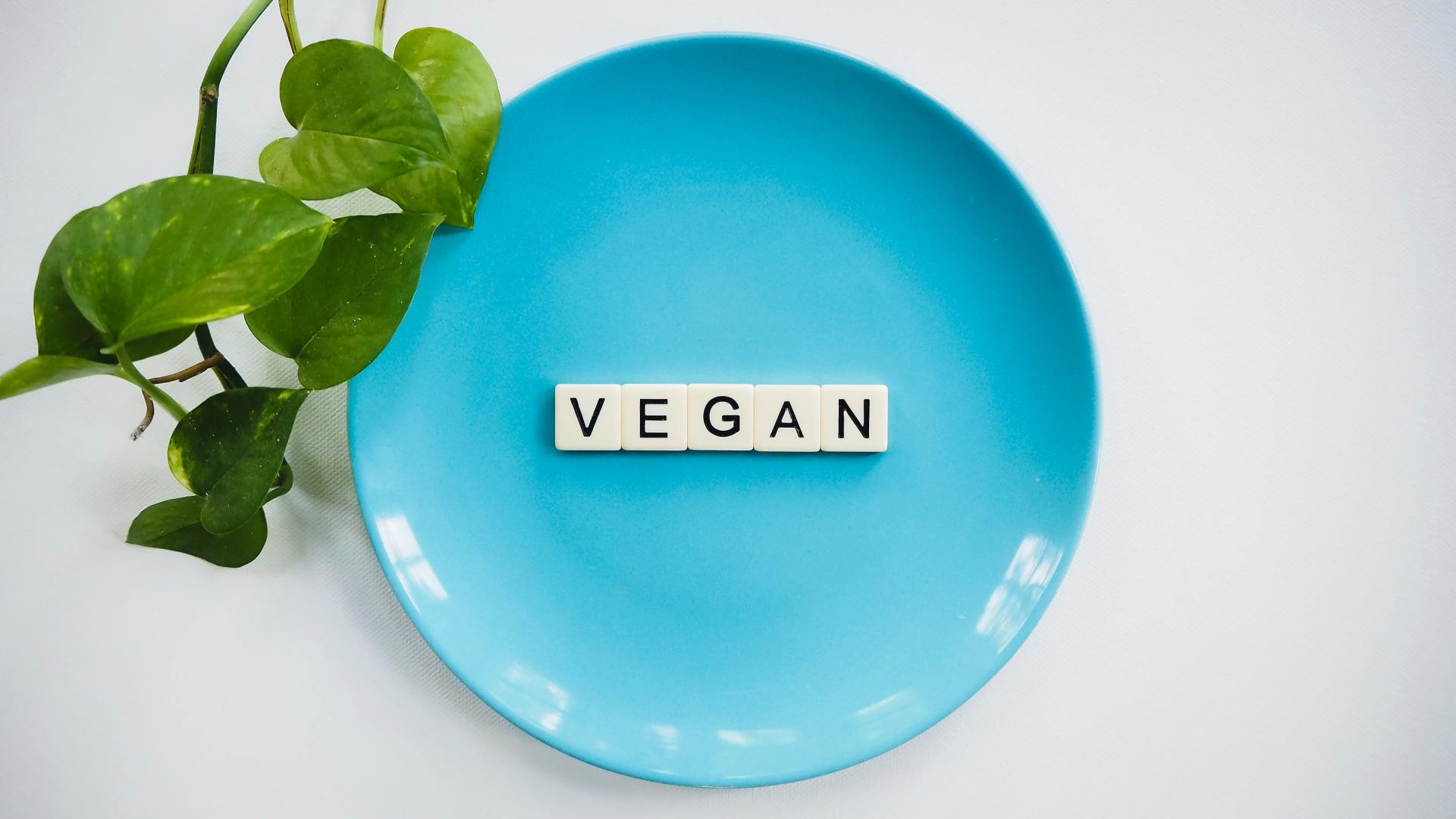
Vegans – eat your heart out! It turns out that being vegan isn’t just for January! A judge in the Employment Tribunal has ruled that being vegan, for ethical reasons, amounts to a ‘philosophical belief’ and is therefore protected by the provisions of the Equality Act 2010.
What does this mean for your business?
It means, ethical vegans now enjoy all of the protections from discrimination, harassment and victimisation as set out in the Equality Act 2010. Broadly speaking, this means they are protected from less favourable treatment because of their vegan beliefs and lifestyle.
The protection extends to the provision of goods and services, meaning that service providers like banks, cafes and shops must treat their ethical vegan customers fairly.
It is worth noting that protection is only afforded to vegans who practice veganism on ethical grounds and that vegetarianism is not protected. Nevertheless, the new ruling is far reaching and will have implications for almost all business owners and their staff.
Businesses must take steps to ensure ethical vegans are treated fairly. Protections for ethical vegans will apply broadly; employees and employment applicants are protected, as are customers and service users receiving goods and services.
For example, a staff canteen may need to provide a vegan food option and where an employer provides tea and coffee, it may now need to also provide for milk alternatives such as soy, oat or almond milk.
In certain circumstances, an employer may even need to consider its pension provisions and be ready to give ethical vegan employees a choice in investments, so that they can select funds that are guaranteed to be free from animal cruelty or environmental concerns.
Employers should educate their staff on this new protected characteristic so that harassment and victimisation on the grounds of ethical veganism can be prevented. Awareness and education will be key as an employer can be vicariously liable for the acts of its employees. In other words, an employer could be held to account if one of its employees harasses another employee or customer.
If you have any questions, related to the Equality Act 2010 or any other employment matter, then get in contact and we will be happy to help.
Contact Us
News & Insights

Grass and wildfires are spreading across the UK. Find out when an accidental fire becomes negligence, and who could be liable for the resulting damage.

Expert property solicitor Pedro answers questions on auction purchases, refinancing, title splits and multi-unit property investments. Get practical legal guidance.

Invested in a care home, hotel or student flat scheme that collapsed? Learn what an unauthorised Collective Investment Scheme means for you.

Section 114 Notices are already landing. Zoe Turner explains what local authorities can demand under the Renters' Rights Act, and how to prepare.

Using a Lifetime ISA to buy your first home? Bethany Hudson explains how LISA withdrawals work in a property transaction, what to tell us early, and how to avoid costly delays.

What changes under the Renters’ Rights Act affect Welsh landlords? Learn about anti-discrimination rules, occupation contract updates, compliance deadlines and what does not apply in Wales.
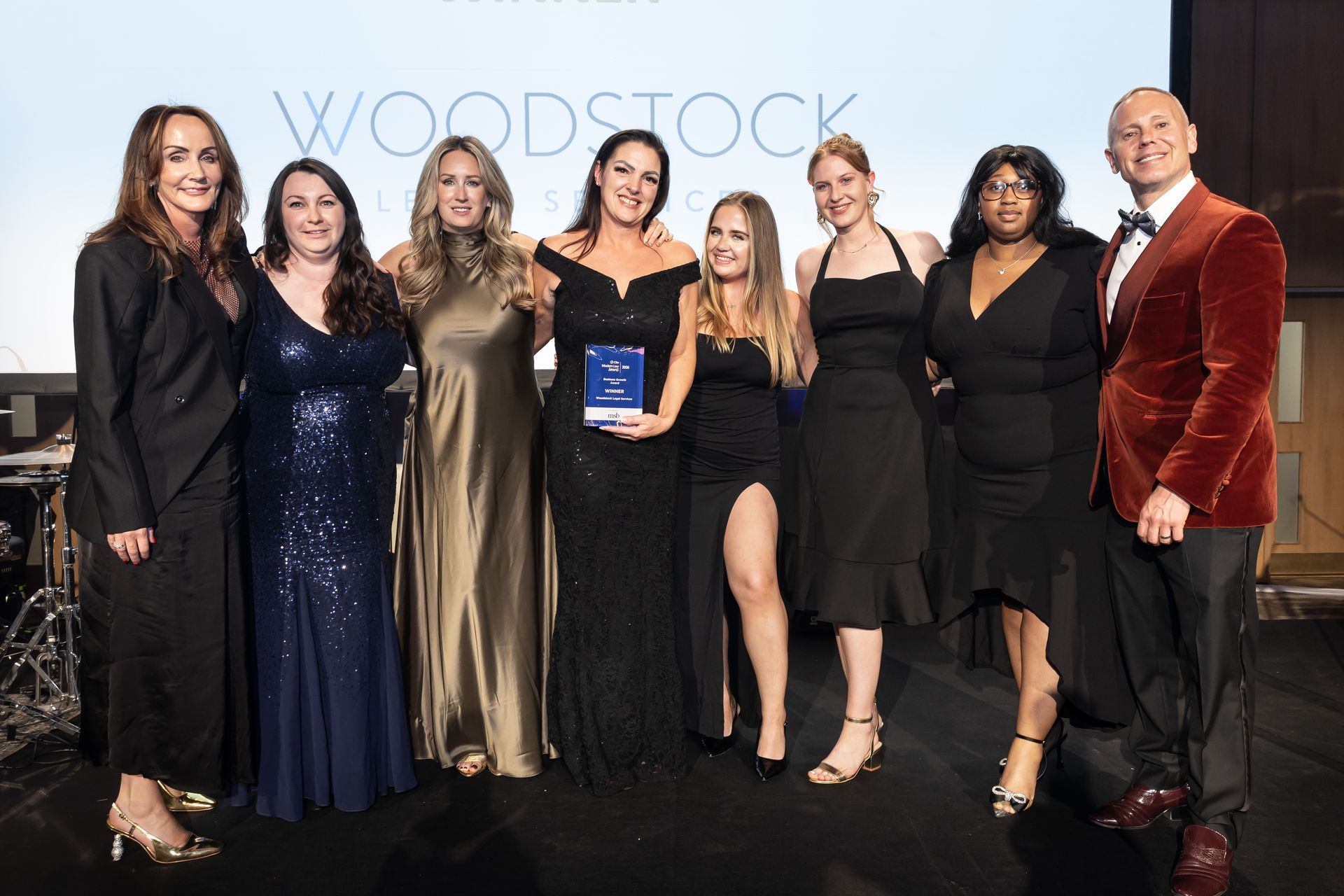
Woodstock Legal Services wins the Business Growth Award at the Modern Law Awards 2026, recognising sustainable growth and legal excellence across the UK.

Buyers should arrange independent gas and electrical inspections before exchange to reduce risk, ensure safety, and avoid costly issues after completion.

UK landlords in 2026: understand rights, responsibilities and legal obligations under the Renters’ Rights Act. Stay compliant and avoid costly risks.